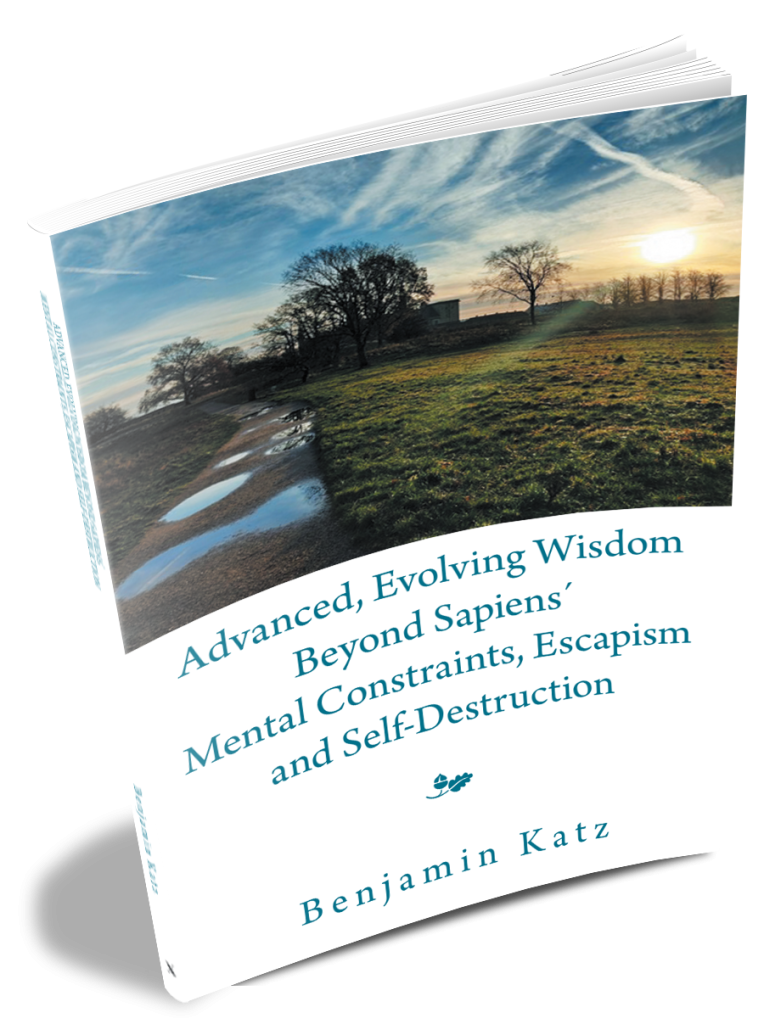
This is my best gift to humanity,
moving closer to its calamity,
being blinded by its vanity
which turns out into insanity,
geared by greedy rationality
lacking far sighted serenity…
Advanced, evolving wisdom!
It means above all, farsighted, sustainable, socially just and ever evolving thinking and praxis of future humanity. It means evolved humans beyond sapiens limits, who will open for new vistas and horizons for exploring and challenging our physical and mental limitations and space….
It means, that by practicing it properly it will bring about global sustainability, reduce markedly human folly, mediocrity, pretense, self- deception and greed in future generations? lives.
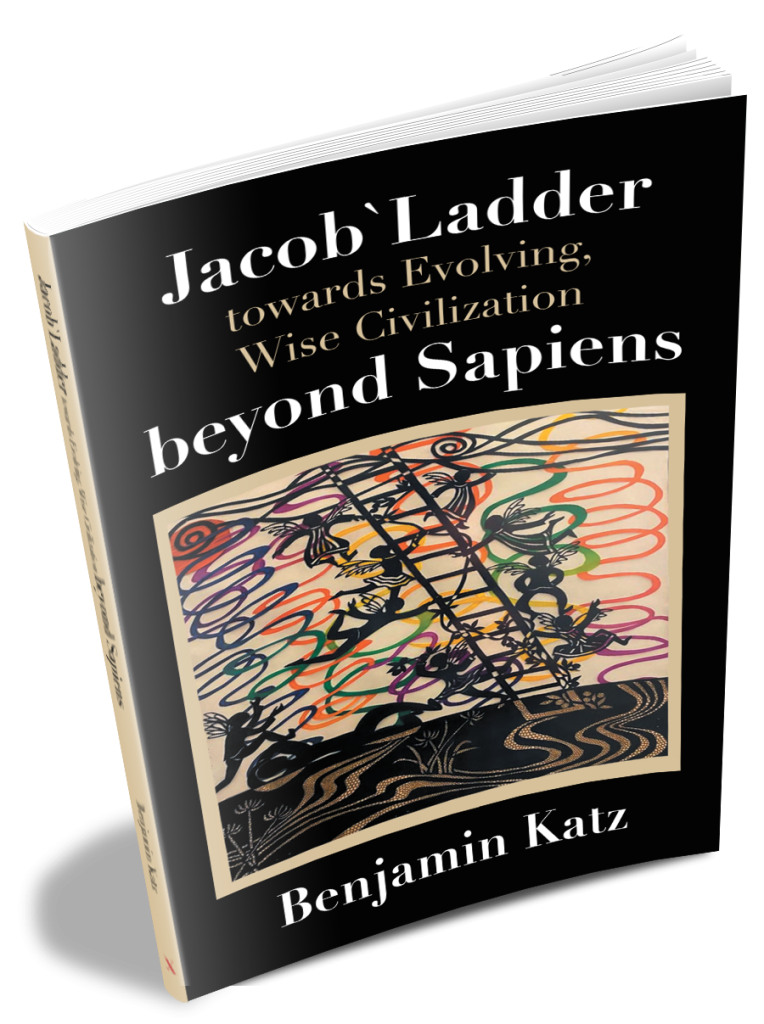
In this book, I lead you, the reader, up—step by step—on my Jacob’s ladder toward higher awareness, consciousness, and thinking capacity, from which an advanced, evolving wisdom awaits you and others. You will be moving from what seems to be a rather fixed and stable human nature/conditioning toward watching how human nature affects us and our survival prospects in our time to end up in the future that bears a promise/necessity for the evolution of human nature in order for us-altered though- to survive long term. In the climbing up on my Jacob’s ladder toward our transcendence, you spring from subject to subject without following a rigid, systematic order. It is done in order to prevent mental fixation and rigidity of thoughts (This is the core idea behind this teaching approach).
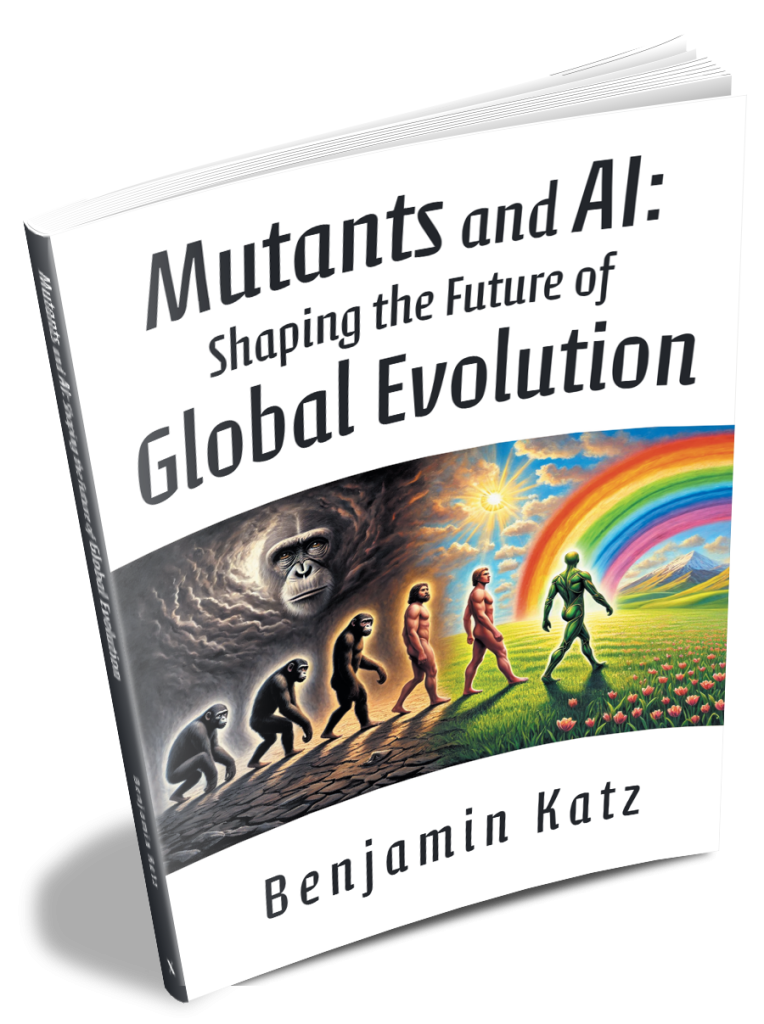
A vision for the Ark
The Earth now groans beneath our strain
Her skies are choked, her seas in pain
A warming world, by three degrees
Could bring us crumbling to our knees.
The soil will burn, the water rise
With mass death under ashen skies
A fractured world, torn apart by strife
Disintegration of societies, and life.
But why this path of grim decay?
What leads us to this darkened way?
We cannot seem to unite, or stand
To heal this wounded, weary land.
Short -sighted greed, self- interest reign,
Deception blinds, we chase in vain
Megalomania clouds our view
Ignoring truths we always knew
Yet still, within a spark remains
To break these self-destructive chains
To rise above, to dare, to strive
To keep a part of us alive.
What must we do? What seeds to sow
To help a wiser future grow?
We save the willing, guide their Ark
Through chaos deep and waters dark.
Upgrade the heart, body and soul
Evolve beyond this broken whole
A Noah`s Ark for those who dare,
To dream, to heal, to deeply care.
This vision burns, a beacon bright,
A chance to steer from endless night.
If we can rise, begin a new,
This Ark may guide the chosen through
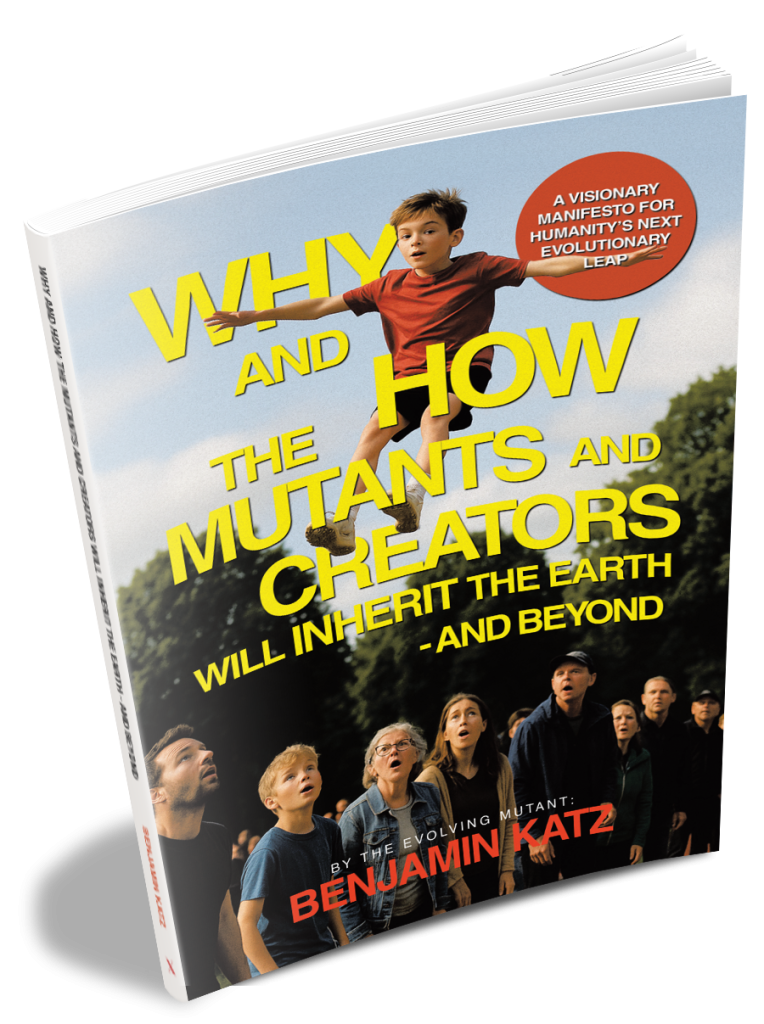
This book is not just a book. It is a testimony—an unflinching account of the fatal flaws and deep shortcomings embedded in us, the species I call Homo Stupidligence, driven by a tribal, Stone Age brain ill-suited for the complexities of our modern world.
It is, secondly, a manifesto-a bold vision of how we can transcend this Matrix of Stupidligence by evolving our minds, our culture, and our civilizational path.
And thirdly, it serves as a concrete, down-to-earth manual. It lays out a realistic path for how this profound transformation can be initiated and achieved within this millennium.
There are no elegant shortcuts, no comforting illusions of win-win solutions, no miracles or magical fixes that will save us from ourselves. This change will come only through immense suffering, through tears, struggle, sweat, and an unyielding insistence on rising above our inherited limitations.
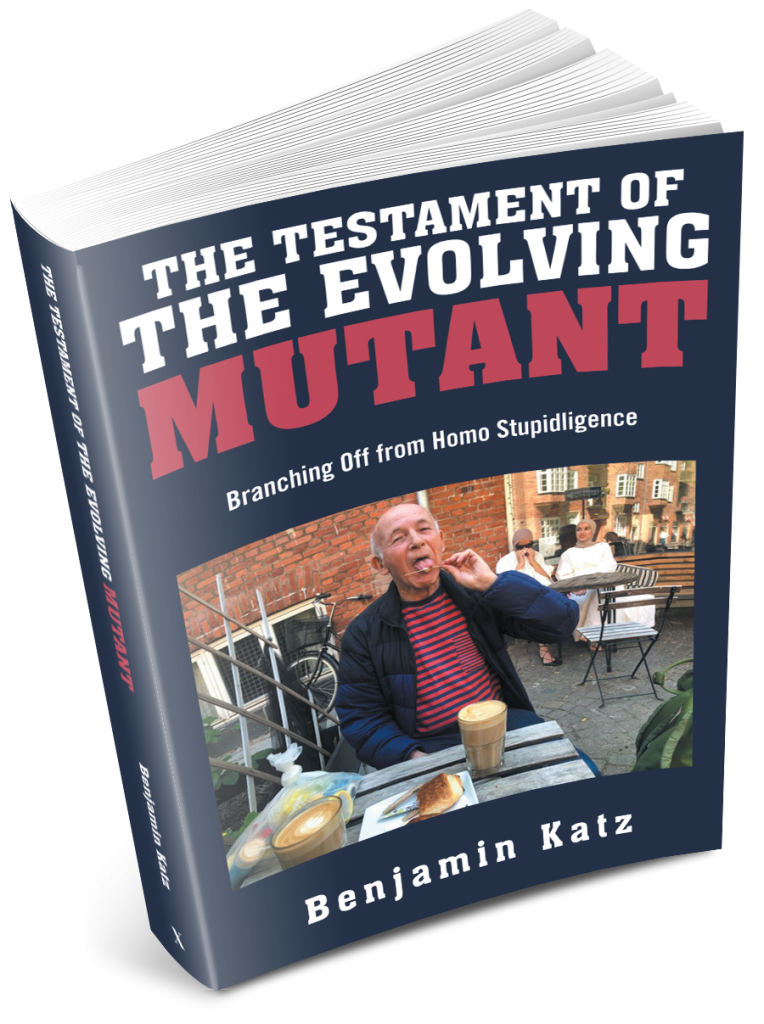
From a war-scarred childhood to a long life of service, reflection, and resilience, this book traces the author’s path across decades—through kibbutz fields, battlefields, family life, and philosophical awakening. Along the way, a clear realization took form: humanity is heading toward a self-inflicted catastrophe. And we are not equipped—psychologically, politically, or spiritually—to stop it.
We are Homo Stupidligence: beings of great intelligence and primitive instincts, still ruled by tribal fears, short-term thinking, and denial. We destroy the conditions for life, wage endless wars, and erode our own health and sanity—while imagining ourselves rational and advanced.
With Stone Age brains wired for survival, not wisdom, we cannot resolve the immense crises we’ve created. As the coming centuries unfold, our civilization will suffer terribly—through climate chaos, cultural collapse, and the failure of our core systems. Yet this suffering may become the great trigger of transformation.
Out of the ruins must emerge The Creators: a new form of post-sapiens humanity—long-lived, wise, peaceful, and far-seeing. This book offers more than a warning: it is a concrete, visionary manual for our evolutionary leap. A future Noah’s Ark—not of animals, but of minds, ethics, and blueprints. A path toward sustainable, just, and intelligent life on Earth—and eventually beyond it.
Read it to remember what’s at stake. Read it to prepare.
This is not a book of comfort.
It is a book of clarity.
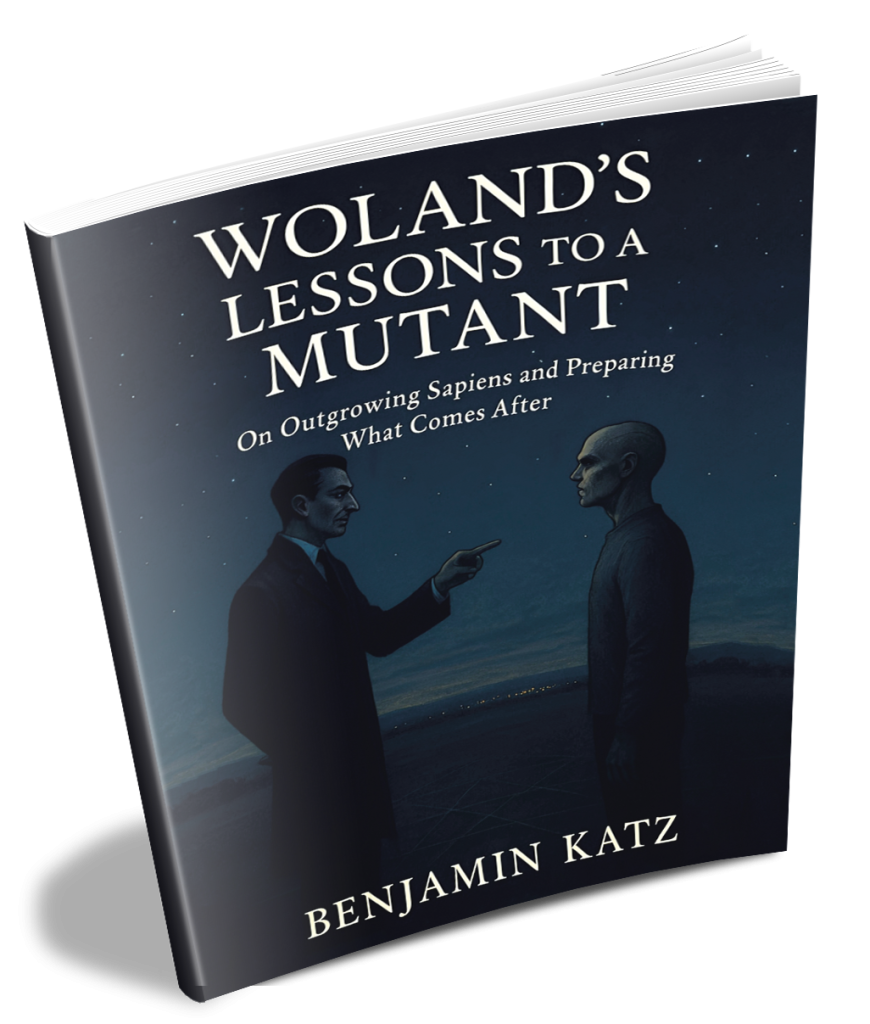
In Woland’s Lessons to a Mutant, philosopher and psychologist Benjamin Katz stages a long, uncompromising dialogue with Woland — an ironic, unsentimental examiner who appears only when illusions have exhausted themselves. Neither demon nor savior, Woland serves as a mirror: exposing humanity’s deepest cognitive flaws and asking whether consciousness can mature beyond them.
The diagnosis is ruthless.
Homo sapiens, Katz argues, is governed by an obsolete Stone-Age mental architecture — optimized for survival, not wisdom; for tribes, not civilizations; for emotion, not long-term responsibility. The result is a world trapped in cycles of vanity, hubris, moral intoxication, and self-destruction, amplified by modern technology and mass narrative addiction.
Through sharp conversations, parables, and observations of contemporary politics, media, war, and culture, Woland dismantles humanity’s favorite illusions: moral superiority, chosen tribes, ideological certainty, sentimental hope, and the belief that good intentions can substitute for upgraded thinking. Concepts such as mental rabies, illusion machinery, and emotional cannibalism are introduced not as metaphors, but as diagnostic tools.
Yet this book is not nihilistic. Its second movement turns toward the possibility of conscious evolution. Katz outlines the path of the Mutant — a human who refuses regression, cultivates emotional detachment, contextual thinking, discipline, and long-arc responsibility. Salvation is rejected. So is domination. What matters instead is continuity: preparing what comes after a failing species.
The journey culminates in a Creator-level ethical trial — a final interrogation in which power, compassion, disgust, withdrawal, and meaning itself are tested and refused.
This book is not for everyone.
It is for readers who can endure clarity without anesthesia — and who suspect that the future will belong not to the loud, the righteous, or the comforted, but to those who learn to outgrow themselves.
What if becoming wiser mattered more than becoming smarter?
The world is full of information, opinions, and loud voices telling you what to think.
But wisdom is something different.
In this book, psychologist and author Benjamin Katz invites you on a journey through stories, parables, and true experiences that explore how the human mind works—and how it sometimes misleads us.
You will meet children, animals, travelers, and future thinkers who face choices much like your own:
• When to follow others—and when to think for yourself
• How fear, pride, and group pressure can trap us
• Why small actions can shape big futures
• How hope, love, belief, and courage can guide us—or blind us
This is not a book that tells you what to believe. It is a book that helps you learn how to think.
If you are curious about the world, about people, and about the future you are already part of—this book is for you.
You are not too small.
You are early.
Humanity commands god-like technology with a Stone-Age mind.
This is the central diagnosis of our time — and the starting point of this bold and uncompromising book.
In The Canon of the Mutants, psychologist and visionary Benjamin Katz argues that our crises — wars, political hysteria, tribal fanaticism, ecological blindness, media manipulation, addiction, loneliness, and collapsing meaning — are not random failures. They are the predictable consequences of an unevolved brain operating in a hyper-complex civilization.
We are not evil.
We are outdated.
This Canon is not a work of despair. It is a blueprint.
With sharp psychological analysis and historical clarity, Katz dissects the illusion machinery of Homo sapiens: fear circuits, tribalism, magical thinking, moral narcissism, and what he calls “mental rabies” — the collective infections that repeatedly drag societies into madness.
But diagnosis is not enough.
Beyond critique, the book outlines a daring evolutionary proposal: the rise of the Mutant — the self-aware human capable of emotional discipline, long-term thinking, narrative immunity, and global responsibility. From education and media reform to civilizational architecture, from the training of children to the ethics of power, Katz presents a structured path toward what he calls the Creator Civilization.
This is not utopia.
It is not ideology.
It is not comfort.
It is a call to the few who feel that humanity stands at a crossing point — and that survival now requires psychological evolution.
If you sense that something in our species must change — this Canon was written for you.